
I understand what it means to be in no man’s land. That is how many of us, born or raised in the diaspora, might often feel: outsiders from the inside. A broken sense of belonging, never fully settled.
Our differences are visible before we even speak. The colour of our skin can be enough for society to mark us as different from the social norm — not because of how we dress, not because of our manners, and not always because of our accent, but because our identities do not always fit the way society understands belonging.
We are from somewhere, but not always recognised as being from here. Wherever "here" may be — in any Western country — and, even more painfully, sometimes within our own country of origin, Equatorial Guinea. In one way or another, we are still not always recognised as equal citizens.
In the end, the world defines us by our roots. If that is so, then what happens when we no longer fully understand those roots? Shouldn’t we try to recover the part of ourselves that is deeply connected to them?
As a young Annobonese woman, I was raised to believe that my culture is my heritage. With that belief came a sense of responsibility: the responsibility to protect it, preserve it, and carry forward a culture that lives strongly in the spirit, but is growing less familiar to younger generations.
The reasons behind this disconnection are complex. Through conversations within our community, it becomes clear that assimilation, political discrimination, and the need to pursue basic opportunities within an exploited diaspora have often placed survival before preservation.
In that sense, the urgent need to survive has gradually replaced the responsibility to pass ancestral knowledge to future generations. Many young Annobonese people are now facing the consequences of this distance from their own heritage. I believe this happened unconsciously, while previous generations were focused on overcoming the realities in front of them. Sometimes people have to let go of what feels permanent in order to face what is immediate.
Our belonging has always been questioned. And because identity is never fixed, it is easy to turn towards what is closest to us, towards the tangible realities of everyday life. But that comes with the risk of losing something that cannot easily be recovered.
For me, losing my culture would mean losing a part of my identity, a part of myself, and therefore a part of the legacy I hope to pass on.
This is the question I keep asking myself: knowing so little about my culture, struggling to speak my language and communicate fluently with my elders, how can we, the younger Annobonese generation, ensure that our legacy continues?
This thought scares me, but it has also given me determination. I want to learn my language more formally, and teach younger generations — including my own children — the value of what we have inherited.
We should not be deleted by history.
Centuries of mistreatment, decades of abandonment, and the struggle for survival have left consequences that can no longer be ignored. A culture can disappear not only through force, but also through the silent pressures of assimilation, distance, and the passing of time.
There are instances in which this loss becomes more apparent to me, like a quiet warning of what lies ahead. The frustration of not being able to express myself in my mother tongue without relying on the local language. The awkwardness of not knowing the social etiquette within my own community. The disconnect from the spiritual and traditional dimensions of Annobon. The inability to sing even a single song in my native language. The wonder of discovering traditional dances whose steps and lyrics are foreign to me. The realisation that I have only ever tasted a fraction of our traditional cuisine.
Each of these moments tells me the same truth: I cannot fully transmit what I do not know.
Once I realise that language sits at the centre of our identity, the need to protect it becomes a matter of survival.
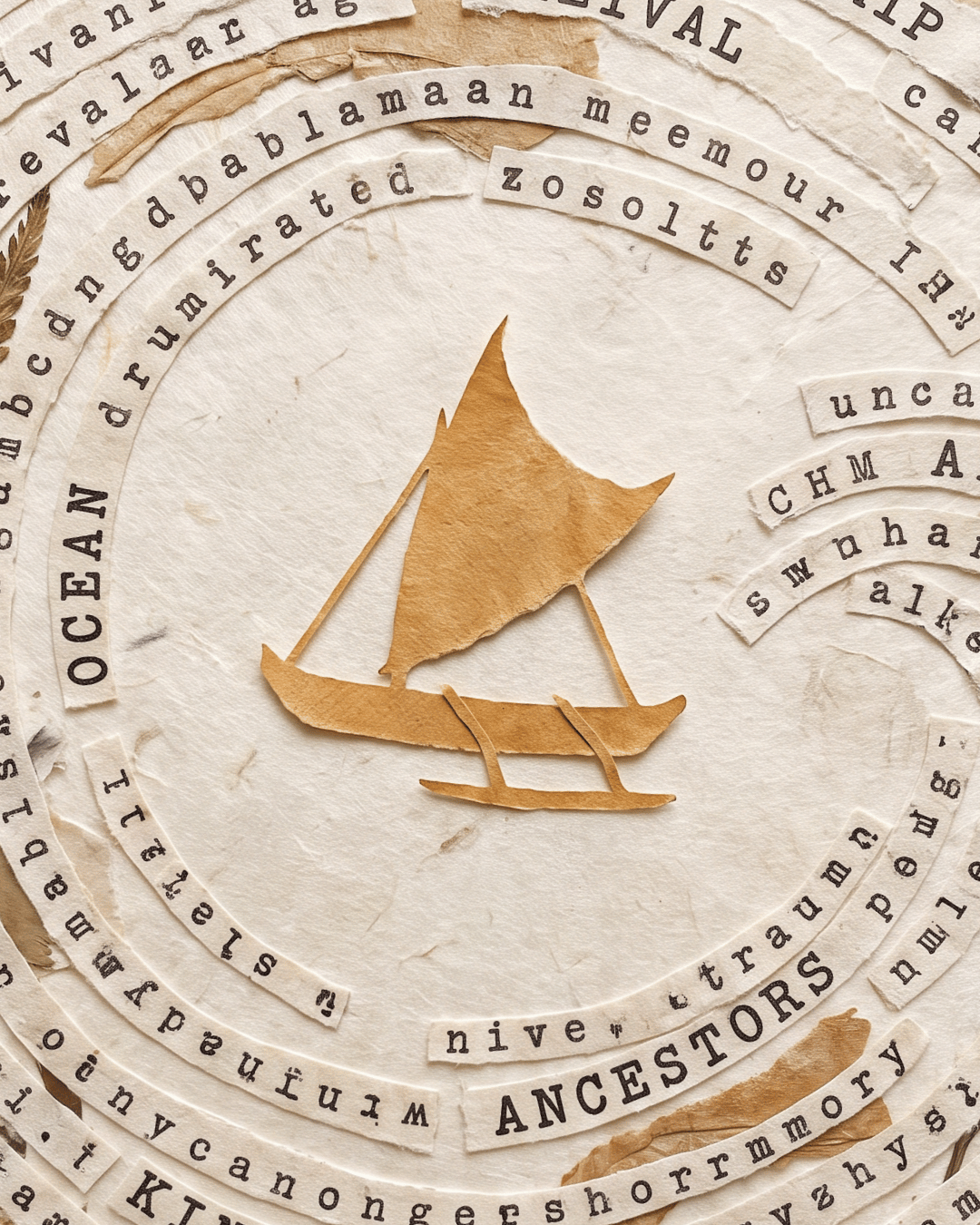
Our ancestral language, Fá d’Ambô — a Creole rooted in Portuguese and shaped over generations by Spanish colonial influence — has traditionally been passed down orally, carrying our memories, our values, and our connection to those who came before us.
In recent years, life in the diaspora has, in my experience, weakened its transmission due to the reliance on dominant languages, which has made it increasingly difficult for many young Annobonese to access the cultural knowledge embedded in their mother tongue.
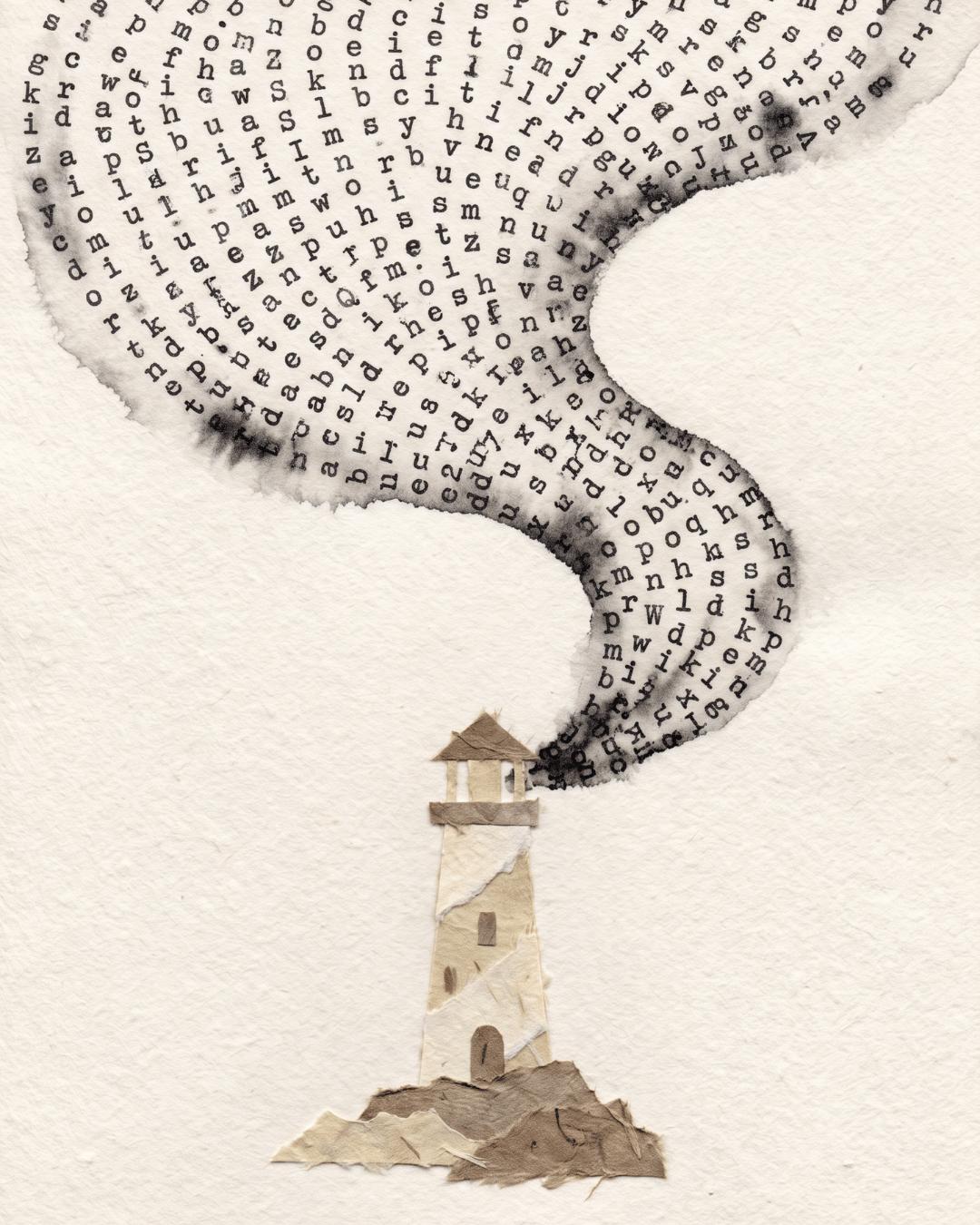
When a language disappears, we do not only lose a way of communicating. We lose the memories, emotions, traditions, and the way we understand ourselves as a people.
The political pressures placed upon our language have significantly contributed to the erosion of our cultural practices, limiting opportunities for our youth to fully connect with their heritage. Consequently, our language is at risk of being forgotten and forsaken within this generation — along with the identity it carries.
Now it falls upon us to revive and protect a heritage that carries our way of understanding the world: extended families, life in community, a language spoken from the heart and shared with respect, where problems are addressed through dialogue and understanding, where age and wisdom hold value, where music becomes a way to express emotions and endurance, where spirituality connects us with nature, and where the sea represents both sustenance and joy.
Our identity is not only what we remember. It is what we choose to carry forward and the language through which we continue to tell our story.
About the Author
Paulina Laurel is a lawyer specialising in family law, immigration law, and civil law. Of Annobonese origin, she writes from the experience of the diaspora, with a focus on cultural preservation and the role of language as a central element of identity, memory, and community continuity.