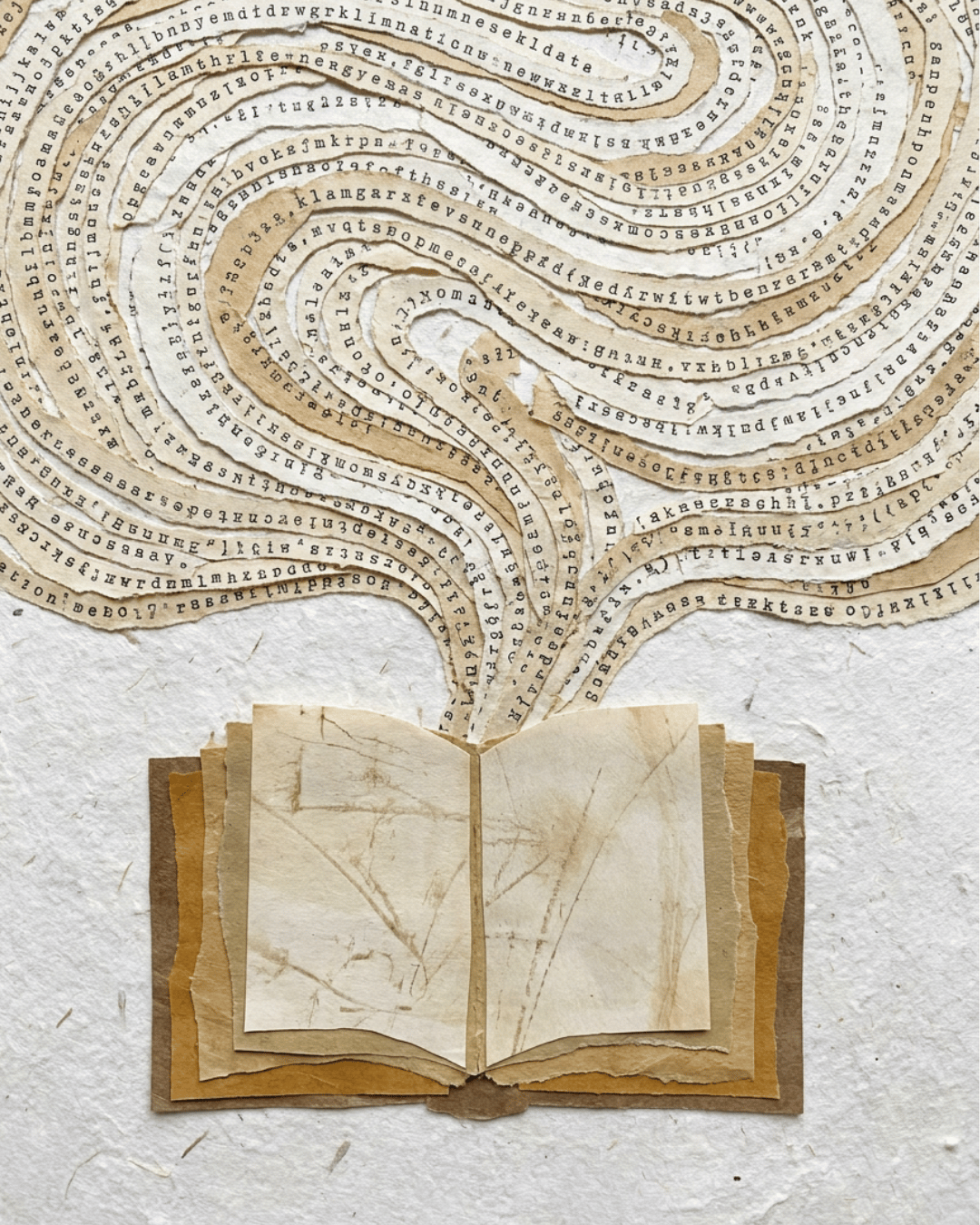

When nations seek to dominate territories, they often begin not by conquering land, but by reshaping identities. Throughout history, language has served as more than a medium of communication; it has been a repository of collective memory, culture, and political consciousness. From Ireland's struggle to preserve Gaelic under British rule to the Kurdish fight for linguistic recognition across the Middle East, language has frequently emerged as both a symbol and instrument of resistance. In Balochistan, a region long engulfed in political conflict and allegations of state repression, language occupies a similarly critical space in the ongoing struggle for self-determination.
The Baloch question is often discussed through the lens of insurgency, security operations, and geopolitical rivalries. Yet beneath these visible dimensions lies a quieter but equally consequential battle over identity. At its heart is the preservation of the Balochi language and culture against what many Baloch activists and scholars describe as decades of political marginalization and cultural assimilation by the draconian Pakistani state.
Balochistan, Pakistan's largest province by area, is rich in natural resources and strategically positioned along the Arabian Sea. Despite its significance, the region remains among the country's least developed.
The sense of alienation among the Baloch people has deep historical roots, dating back to the controversial accession of the former princely state of Kalat into Pakistan in 1948. Since then, successive waves of resistance have emerged, driven by grievances related to political representation, resource distribution, military operations, and human rights concerns.
While these issues often dominate headlines, language remains one of the most enduring markers of Baloch identity. For many communities, language is not merely a cultural asset; it is evidence of a distinct historical and national consciousness. The Balochi language, with its rich oral traditions, poetry, and folklore, embodies centuries of collective memory. It connects generations through stories of migration, tribal heritage, resistance, and survival.
The importance of language in nationalist movements cannot be overstated. Political theorist Benedict Anderson famously argued that nations are "imagined communities" sustained by shared narratives and symbols.
Language is perhaps the most powerful of these symbols. It enables a community to articulate its aspirations, remember its past, and imagine its future. In Balochistan, linguistic preservation has therefore become inseparable from broader demands for political rights and self-determination.
Many Baloch intellectuals argue that state policies have historically privileged Urdu as a unifying national language while sidelining regional languages. Although Pakistan is home to remarkable linguistic diversity, educational and administrative structures have often favored linguistic centralization. As a result, Balochi has struggled to secure the institutional support necessary for its development and transmission.
The consequences of linguistic marginalization extend beyond classrooms. When a language is excluded from education, governance, and public discourse, its speakers can experience a gradual erosion of cultural confidence. Younger generations may increasingly adopt dominant languages for economic and social mobility, creating a disconnect from their historical roots. For communities already feeling politically excluded, this process can deepen perceptions of cultural dispossession.
In recent years, Baloch activists, writers, and members of the diaspora have intensified efforts to preserve and promote their linguistic heritage. Social media platforms, independent publications, podcasts, and digital archives have become important tools in this endeavor. These initiatives are not merely cultural projects; they represent acts of resistance against perceived attempts to dilute Baloch identity.
Poetry occupies a particularly significant place in this resistance. Across South Asia, poetry has long served as a vehicle for political expression, and Balochistan is no exception. Baloch poets have used language to document suffering, celebrate resilience, and challenge dominant narratives. Their works often address themes of displacement, enforced disappearances, state violence, and the longing for freedom. In doing so, they transform language into a form of political testimony.
The issue of enforced disappearances further illustrates the relationship between language and resistance. Human rights organizations and Baloch advocacy groups have repeatedly raised serious concerns regarding individuals allegedly abducted or detained without due process. While Islamabad has consistently rejected these allegations and frames its actions as counterterrorism measures, the issue remains a central grievance. In response, families of the disappeared have turned to storytelling, literature, and public campaigns to preserve memories and demand accountability. Language becomes a means of ensuring that personal tragedies are not erased from collective consciousness.
The emergence of digital activism has amplified this dynamic. Historically, the Baloch narrative struggled to gain international visibility due to limited media access and state restrictions. Today, however, digital platforms allow activists to bypass traditional gatekeepers. Through blogs, documentaries, online campaigns, and multilingual content, Baloch voices increasingly reach global audiences. Importantly, many of these efforts prioritize the use of Balochi alongside English and other languages, reinforcing the idea that cultural survival and political advocacy are deeply interconnected.
Pakistan's state institutions often view separatist narratives through a security lens, emphasizing national unity and territorial integrity. From this perspective, linguistic nationalism can appear as a challenge to state cohesion. However, experiences from around the world suggest that suppressing linguistic identities rarely resolves political grievances. More often, it intensifies them. Communities that perceive their language and culture to be under threat frequently become more determined to preserve them.
The Baloch case reflects a broader global lesson: language is rarely neutral in contested political spaces. It shapes how people understand themselves and how they are understood by others. It influences whose histories are remembered and whose are forgotten. In regions marked by conflict, language can become both a refuge and a weapon, a refuge for preserving identity and a weapon for challenging dominant power structures.
As debates surrounding Balochistan continue, it is important to recognize that the struggle is not solely about territory, resources, or governance. It is also about the right of a people to define themselves, tell their own stories, and preserve their cultural heritage. The preservation of the Balochi language is therefore more than a cultural objective; it is a political act rooted in the desire for recognition, dignity, and self-determination.
Ultimately, the story of Balochistan underscores a universal truth. Languages do not merely carry words; they carry histories, aspirations, and identities. When communities fight to preserve their language, they are often fighting for something much larger, the right to exist on their own terms. In Balochistan, that struggle continues, not only in political forums and protest movements, but also in classrooms, poems, songs, and everyday conversations. It is a reminder that some of the most consequential battles for freedom are fought not with weapons, but with words.
About the Author
"I am a researcher, writer, and human rights advocate with a passion for social justice, art, and meaningful dialogue. As a Research Coordinator at Baloch Voice for Justice, I focus on raising awareness about human rights issues, social developments, and the challenges faced by marginalized communities, particularly in Balochistan.
My work is driven by a commitment to research, critical thinking, and public engagement. I believe that informed discussion and accurate documentation are essential for promoting accountability and advancing human rights. Through my writing, I seek to contribute thoughtful perspectives on society, culture, and the issues that shape people’s lives.
Proud of my Baloch heritage, I value the power of authentic storytelling to amplify overlooked voices and foster greater understanding. I am committed to using research and advocacy as tools to promote justice, dignity, and positive social change."