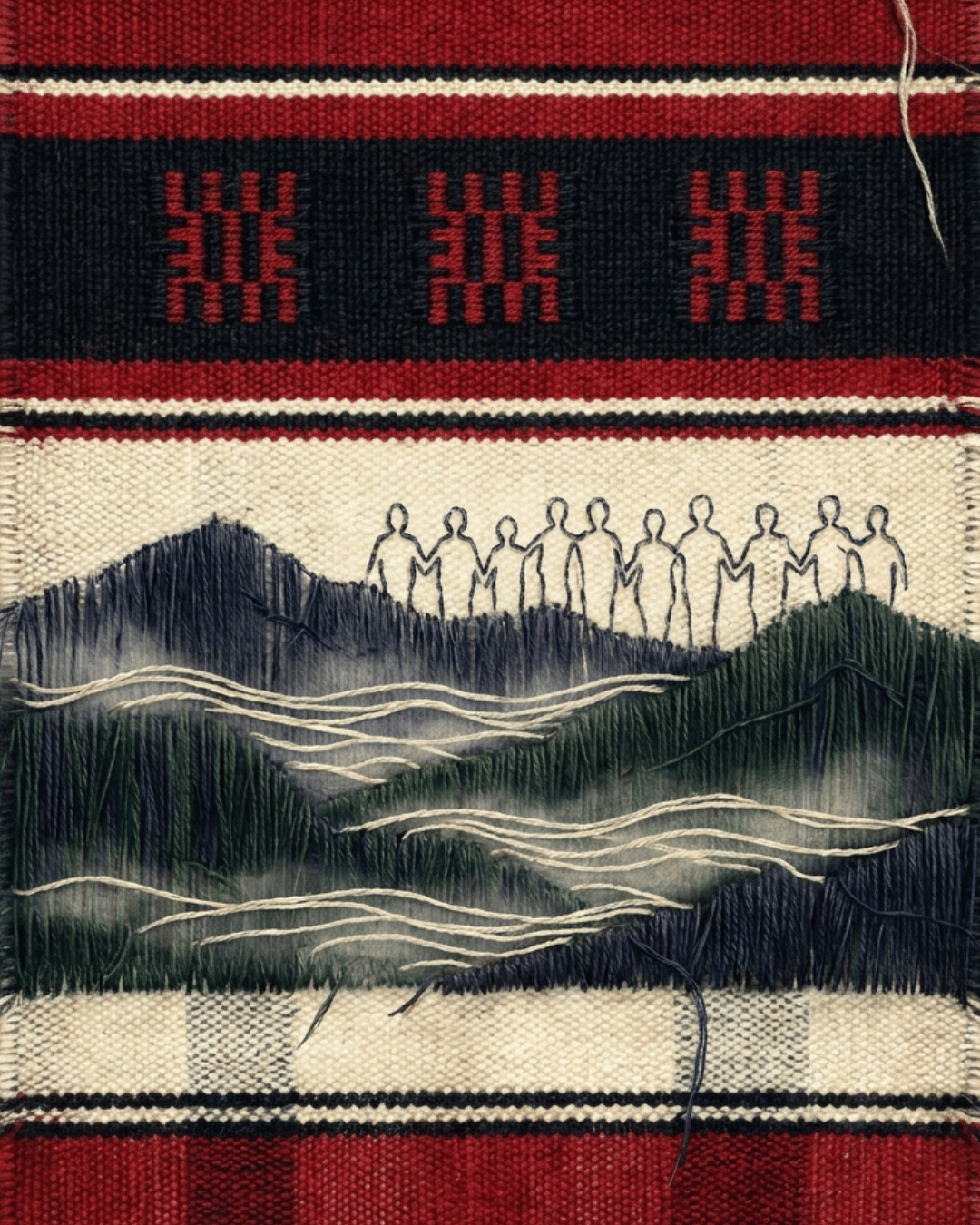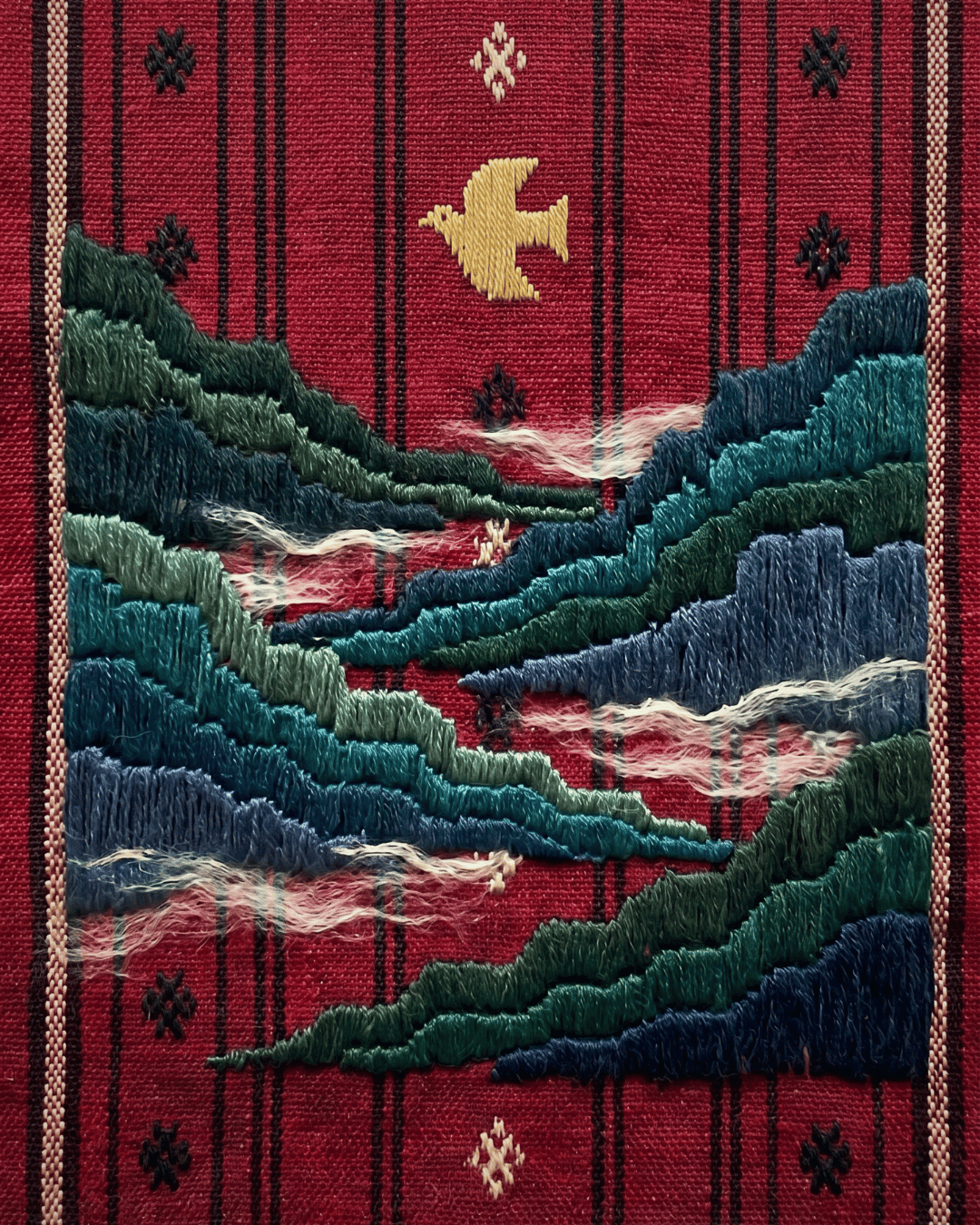

Situated in the south-eastern corner of Bangladesh, the Chittagong Hill Tracts (CHT) is a region inhabited by Indigenous peoples collectively known as the Jumma. In 1997, an agreement, widely known as the Chittagong Hill Tracts Accord was signed between the Government of Bangladesh and the Parbatya Chattagram Jana Samhati Samiti (PCJSS), with the aim of establishing a framework for peace, self-governance, and recognition of Indigenous rights in the region.
Nearly three decades later, many of the core provisions of the Accord remain largely unimplemented. The special administrative structure envisioned under the agreement including the CHT Regional Council and the three Hill District Councils has yet to function with full authority. Key sectors such as general administration, law and order, land management, forests, and local governance remain largely outside their effective control.
Land disputes, one of the central issues addressed in the Accord, also remain unresolved. The CHT Land Commission has not been able to function effectively, and many Indigenous families continue to face dispossession without adequate mechanisms for restitution. Similarly, the rehabilitation of internally displaced persons and returnee refugees remains incomplete.
While the Accord called for the withdrawal of temporary military camps, a significant number of such camps continue to operate across the region. This continued presence contributes to a persistent sense of uncertainty and concern among Indigenous communities. In the absence of full implementation of the CHT Accord, the human rights situation in the region continues to deteriorate. Rather than pursuing a peaceful and political resolution through the Accord, successive governments have largely advanced a policy of extensive militarization, often implemented through repressive measures.
In this context, organizations and individuals advocating for the implementation of the Accord, including the PCJSS, continue to face various forms of persecution and repression.
This has included patterns of criminalization, where activists are labelled as “terrorists,” “separatists,” or “illegal arms holders,” and are reportedly subjected to fabricated cases, arrests, and imprisonment.
Accounts from the region also point to ongoing harassment, ill-treatment, and allegations of torture, as well as reports of extrajudicial actions, reflecting the broader challenges faced by those engaged in advocacy for Indigenous rights in the Chittagong Hill Tracts. Against this backdrop, the everyday life, culture, and resistance of the Jumma peoples continue to unfold.
Every year, when the Bizu festival returns in mid-April, Indigenous Jumma peoples immerse themselves in the colours and vibrancy of this well-known celebration in the Chittagong Hill Tracts (CHT), Bangladesh. The festival is known by different names among different communities: the Chakmas call it Bizu, the Tripuras call it Baisu, the Marmas call it Sangrai, and the Mros call it Chankran. Regardless of the name, the essence of the festival remains deeply meaningful to all which bring unity and solidarity among the community peoples.
Amid historical oppression, continued systematic discrimination, economic hardship, and communal tensions, the Jumma peoples celebrate this festival with spirit and harmony. They welcome the new year with hope and renewed energy, believing it will bring prosperity, happiness, and greater recognition of their rights.
Beyond the CHT, this festival is also celebrated by Jumma communities scattered across the globe. It is deeply rooted in their identity and serves as a connection to their cultural origins. Over time, as the human rights situation in the CHT has worsened, more Jumma people have moved abroad. Today, they can be found in countries across Europe especially in France, Germany, Switzerland, the United Kingdom, the Netherlands, Finland, and Austria as well as in the United States, Canada, Australia, the Republic of Korea, Japan, Singapore, China, Hong Kong, Thailand, and beyond.
I feel privileged to be connected with many of them who were compelled to leave their homeland in search of safety and better livelihoods. Yet, their emotional and spiritual attachment to the CHT remains strong. This connection becomes especially visible during festivals like Bizu and during times of crisis. In both moments, they come together, reconnect with their community, and express solidarity with those back home.
This year, I had the opportunity to experience the spirit of this festival both in the CHT and abroad, in South Korea. After celebrating Bizu at home, I travelled to Yeosu, via Seoul, to attend Climate Week (21–25 April 2026), organised by the United Nations Framework Convention on Climate Change (UNFCCC).

At this event, I had the opportunity to engage with major international actors, including UNDP, the Asian Development Bank, and the Green Climate Fund. During a session on funding mechanisms, Indigenous representatives including myself raised several critical questions. These institutions often work with state actors and support government-led projects, yet many such projects affect Indigenous communities without ensuring their meaningful participation.
We raised concerns about the lack of adherence to Free, Prior and Informed Consent (FPIC), a key principle under the United Nations Declaration on the Rights of Indigenous Peoples (UNDRIP).
We asked:
- What guidelines are provided to partners regarding the inclusion of Indigenous peoples?
- How is this inclusion monitored in practice?
- What grievance mechanisms exist if Indigenous communities are harmed?
The response from the Green Climate Fund was relatively satisfactory, while the response from the Asian Development Bank was less convincing.
On my way back to Dhaka, I spent some time with members of the Jumma community in Gimpo, near Seoul. Although the Bizu festival had already passed, I could still feel its warmth and spirit in their hospitality. During our conversations, I learned that many of them live as workers, some under refugee status—an unexpected reality, yet one shaped by their circumstances.
They showed me places where they organise protest rallies and solidarity gatherings whenever incidents occur in the CHT. No matter where they live, the situation back home never leaves them. Their families, friends, and loved ones remain directly affected.
While I was attending Climate Week in Yeosu, the Republic of Korea, several Jumma representatives were participating in the 25th session of the United Nations Permanent Forum on Indigenous Issues (UNPFII) in New York. Among them were Chanchana Chakma, Augustina Chakma, Pritibindu Chakma, Bijubi Chakma, Pallab Chakma, and Binota Moi Dhamai. They presented statements highlighting the realities faced by Jumma peoples in the CHT.
At the same time, the Bangladesh government also sent a delegation, which presented its own narrative. This narrative continues to emphasise a development-focused approach to the CHT, an idea rooted in earlier state perspectives that framed the region’s challenges primarily in terms of economic underdevelopment and security concerns. However, such approaches have often overlooked the cultural, social, and political dimensions of the Jumma peoples’ identity and rights.
When Jumma representatives raised these realities at the UNPFII, they also faced backlash. Misinformation and negative campaigns circulated on social media in Bangladesh, targeting and discrediting them. Some were even labelled as anti-state actors for speaking on international platforms and voicing the Jumma peoples in this platform.
This is not unfamiliar to me. I personally experienced similar challenges during the 4th South Asia Forum on Business and Human Rights in Kathmandu, Nepal held in March 2023. At that event, I, along with Falguni Tripura, Secretary General of the Bangladesh Indigenous Women Network, represented Indigenous voices from the CHT. During a plenary session, Falguni Tripura spoke about the destruction of over 300 banana trees of local Mro Indigenous peoples and the contamination of their water sources by a rubber company in Bandarban. In response, a government official publicly challenged her statement in a confrontational manner. I also took the floor to support her presenting substantial evidence on the ongoing oppression by the Bangladeshi authority.
Following this, we faced harassment from members of the Bangladeshi delegation in the following days of the event. I was even indirectly warned about potential legal consequences upon returning home.
Such experiences echo the struggles of earlier advocates. Dr. Ramendu Shekhar Dewan, a prominent voice from the CHT and spoke person of PCJSS, raised these issues in international forums during the 1980s and 1990s, often at great personal cost. He spent years in exile, dedicating his life to advocating for the rights of Jumma peoples and drawing international attention to their situation.
Even today, challenges persist. Each year, when Jumma representatives speak at the UNPFII, tensions rise. This year, protests were organised in Rangamati by armed-backed settler Bengali groups demanding the arrest of Jumma delegates participating in the forum. They were labelled as separatists and anti-state actors.
Another significant incident involved Rani Yan Yan, the Queen of the Chakma Circle and an advocate for Indigenous rights. She received an official letter from the Rangamati District Magistrate, accusing her of spreading “disinformation” internationally and warning her against such activities. This can be seen not only as a personal warning but also as a broader signal to the community. It raises concerns about the space available for freedom of expression.
Despite these challenges, the voices of the Jumma peoples continue to reach international platforms. As Jumma communities expand across the globe, their advocacy grows stronger. No matter where they live, they remain connected to their roots and committed to seeking justice, dignity, and rights for their people in the Chittagong Hill Tracts.