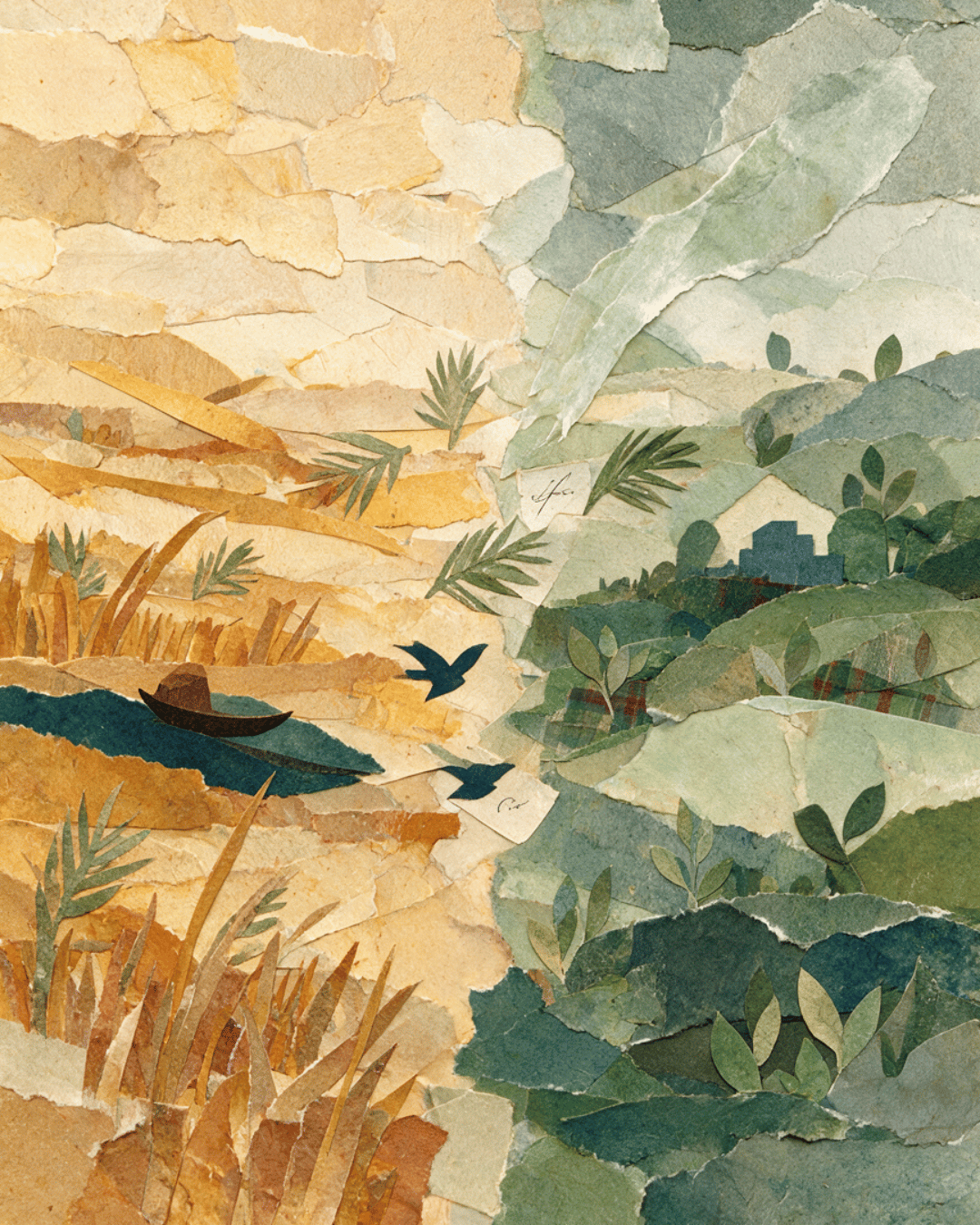

I have spent my life existing between identities, never fully claimed by any of them. This constant state of limbo shaped how I understood my ethnicity and nationality, teaching me early that belonging was conditional and often required explanation.
I remember, as a child, at my school’s international evening, without a country to represent. Other kids stood proudly next to their flags, and I was left, for the first time, with the awareness that my unrecognised background would follow me long after the evening ended.
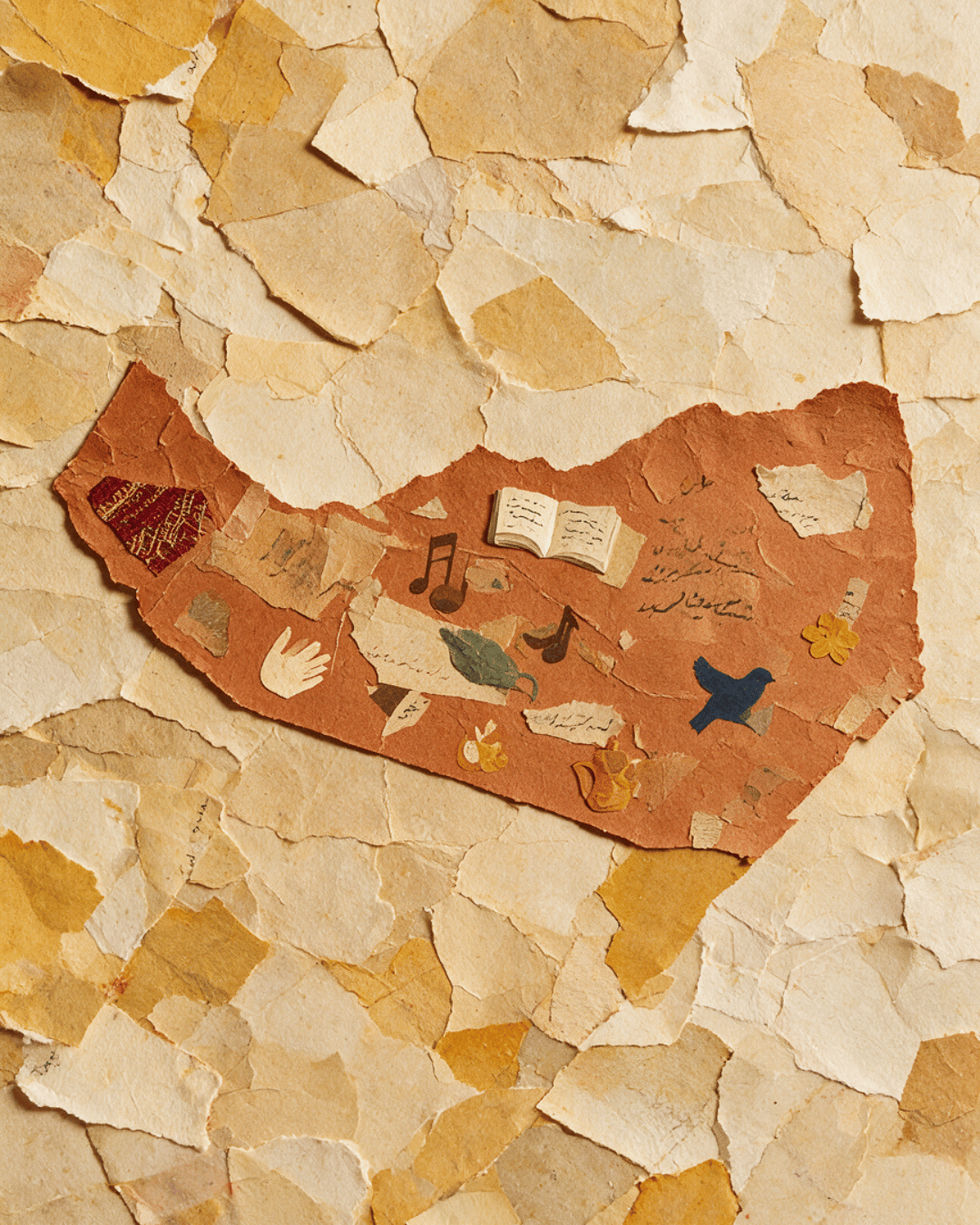
As an Ahwazi Arab, from a land occupied by Iran, I was born into a life shaped by identity politics. My people, the Ahwazi Arabs, are an indigenous group within Iran who are denied their right to self-determination and have endured ethnic cleansing and human rights abuses. Despite the gravity of the injustices, it was merely a lost footnote in history, buried under decades of Iran’s attempts to erase us. I learned that the pride I felt for my lineage and our suffering was something to carry quietly.
I learned to repeatedly explain my identity, only to be met with blank stares. Even among other Arabs, I was asked to justify my existence, which reflected how little awareness there is of my people. This constant need to explain myself deepened my sense of isolation; my Arab identity was erased by my occupier and questioned by those I expected recognition from and connection with. This repeated questioning taught me to anticipate doubt before it was voiced, and I began measuring my Arabness defensively, as though it were something I had to prove rather than inherit.
At the end of the day, even if I proved my Arabness, there was always the fact that I was born in the UK. And this always made me a foreigner back home. I existed as a paradox between identities because I was a foreigner in the UK, too.
As a member of the Arab diaspora, I was often met with an unconvinced glare: ‘’Oh, British, but where are you really from?’’ would be uttered. Despite feeling great pride and gratitude for this country that educated me and provided asylum for my parents, and despite adopting the rituals of Britishness easily: the reverence for queuing and the polite avoidance of confrontation- this fluency never translated into belonging. I did not know how to fit in the only home I had ever known, as I never related to the culture completely.
I had to ask myself how much of myself needed to be reshaped to fit the mould and whether becoming more British would mean losing myself entirely.
I was tired of never feeling enough of any of these identities. I decided to embrace these contradictions within myself rather than deny myself entirely.
For the first time, I stopped asking how much of myself needed to be erased to be accepted. I no longer shied away from explaining my identity as an Ahwazi Arab. Every time someone asks me where I am from, they hear a brief history of our culture and occupation. I utilised my British education and values to advocate for our rights as Ahwazi Arabs, allowing my Britishness and Arabness to complement each other. And finally, I embraced my distinct experience and no longer felt a need to categorise it.
I no longer feel the need to fit into moulds that weren’t made for me. I created new moulds that fit me just fine, in all the complexity of my identity.
About the Author
Dania Silawi is a British writer and researcher with a particular interest in human rights, minority identities, and displacement. As an Ahwazi Arab, her writing is informed by both academic inquiry and lived experience, exploring questions of citizenship, recognition, and what it means to belong in a world where rights are not equally guaranteed to all.